


- Content
July marks the midpoint of summer. For the restaurant industry, this period brings the highest risks: terraces are operating at full capacity, guest traffic is unpredictable, and teams are tested by extreme temperatures and peak workloads
Many operators spend this time working “by inertia,” hoping for a successful end to the season. However, professional companies operate differently. At BRG Restaurants, we are convinced that the “mid-season” is the ideal moment for an operational pause and a deep-dive audit. This is not a sign of trouble, but a strategic decision that distinguishes a stable business from accidental success.
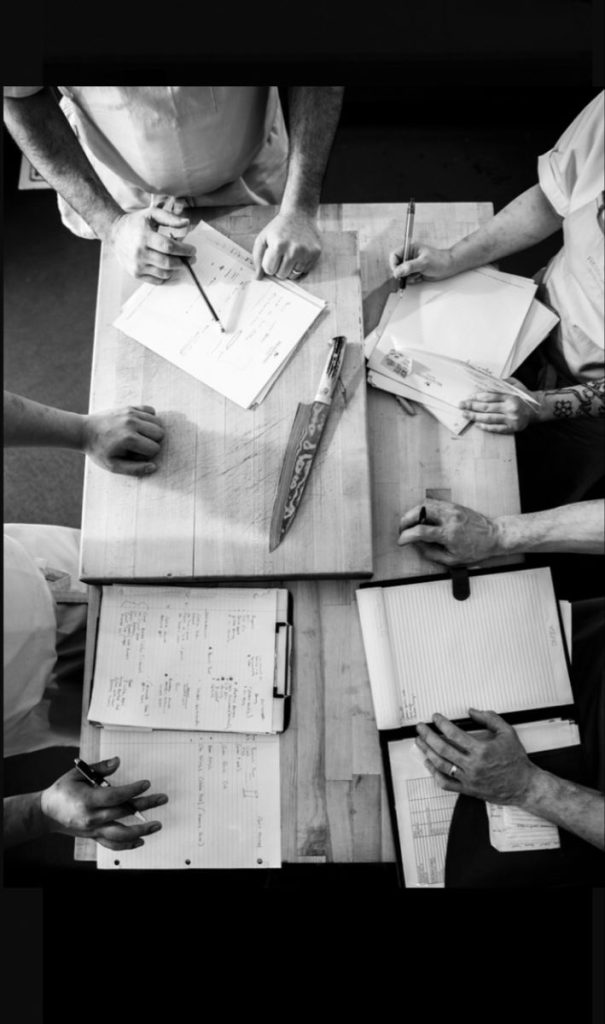
Control Matrix: What We Assess Right Now
Managing a restaurant business in summer requires precision work with key performance indicators. Our operational audit is based on three critical pillars:
- Summer Terrace Economics: We evaluate not just total revenue, but the efficiency of every square meter. It is crucial to understand table turnover, the impact of weather on traffic, and staff schedule flexibility. We analyze whether the profitability of the terraces justifies the investments made in service and cooling systems.
- Catering Resilience: Working “in the field” requires flawless logistics. We verify the integrity of the “cold chain” during large-scale off-site events, as product safety during heatwaves is a non-negotiable constant.
- SOP Compliance: Seasonal fatigue is the enemy of quality. Our audit includes checking whether service standards are being “diluted” under seasonal pressure. A professional business distinguishes itself from an amateur one by maintaining the same quality of steak presentation or service speed in both January and the July heat.
Quality Intake Audit: The Safety Standard
In summer conditions, a professional company operates strictly according to HACCP protocols. Requirements for suppliers become more stringent: we demand full transparency—from livestock farming conditions to temperature loggers in refrigerated trucks.
If we detect deviations during the intake control stage, the partnership is terminated. We do not transfer quality risks to the guest; therefore, raw material control in summer is our foundation, which remains unchanged regardless of seasonal chaos.
Team Resources: Scaling Professionalism
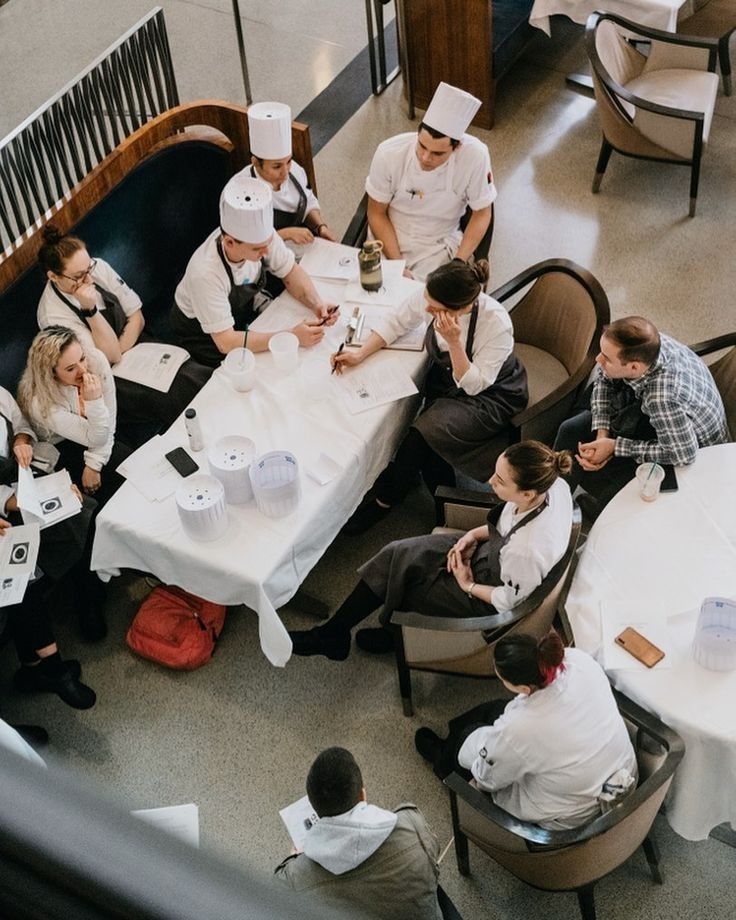
The “human factor” is the greatest variable in the equation of success. During the high season, we focus on cross-training and a robust SOP (Standard Operating Procedure) system. This allows us not just to “fill gaps” in the schedule, but to maintain a high level of professionalism. When every team member clearly understands their algorithm of actions—from meat preparation to service techniques—fatigue does not become an excuse for errors.
Conclusions: Preparing for Autumn
A July operational audit is not just about collecting data. It is about creating a “roadmap” for September. Analyzing what worked during the summer allows us to adjust financial forecasts, optimize procurement, and prepare the team for the autumn transition.
In the restaurant business, chaos is the absence of data. Confidence, however, is the result of daily operational work. By conducting an audit now, we are not just saving the season—we are investing in the stability of the next quarter.